The average grocery jar spends one to three years in the supply chain before you twist the lid. Flavor starts fading the day it's ground. Do the math — or scroll. We did it for you.
Pull out the cumin. Check the date — if there is one. Now open it and inhale. Nothing? That's the point. In our survey of 200 home cooks, 73% had expired spices in their drawer* — and most of the rest are using jars that were stale on the shelf the day they bought them. You didn't buy bad spices. You bought old ones. The store just didn't mention it.
The jar below is a real one from our current run. Tap it and watch what our beta cooks see every time they cook: who grew it, the farm's coordinates, the harvest date, a live freshness percentage, and recipes for that exact batch. No app. No signup wall. The demo is the pitch.
Hold near lid
NFC detected…
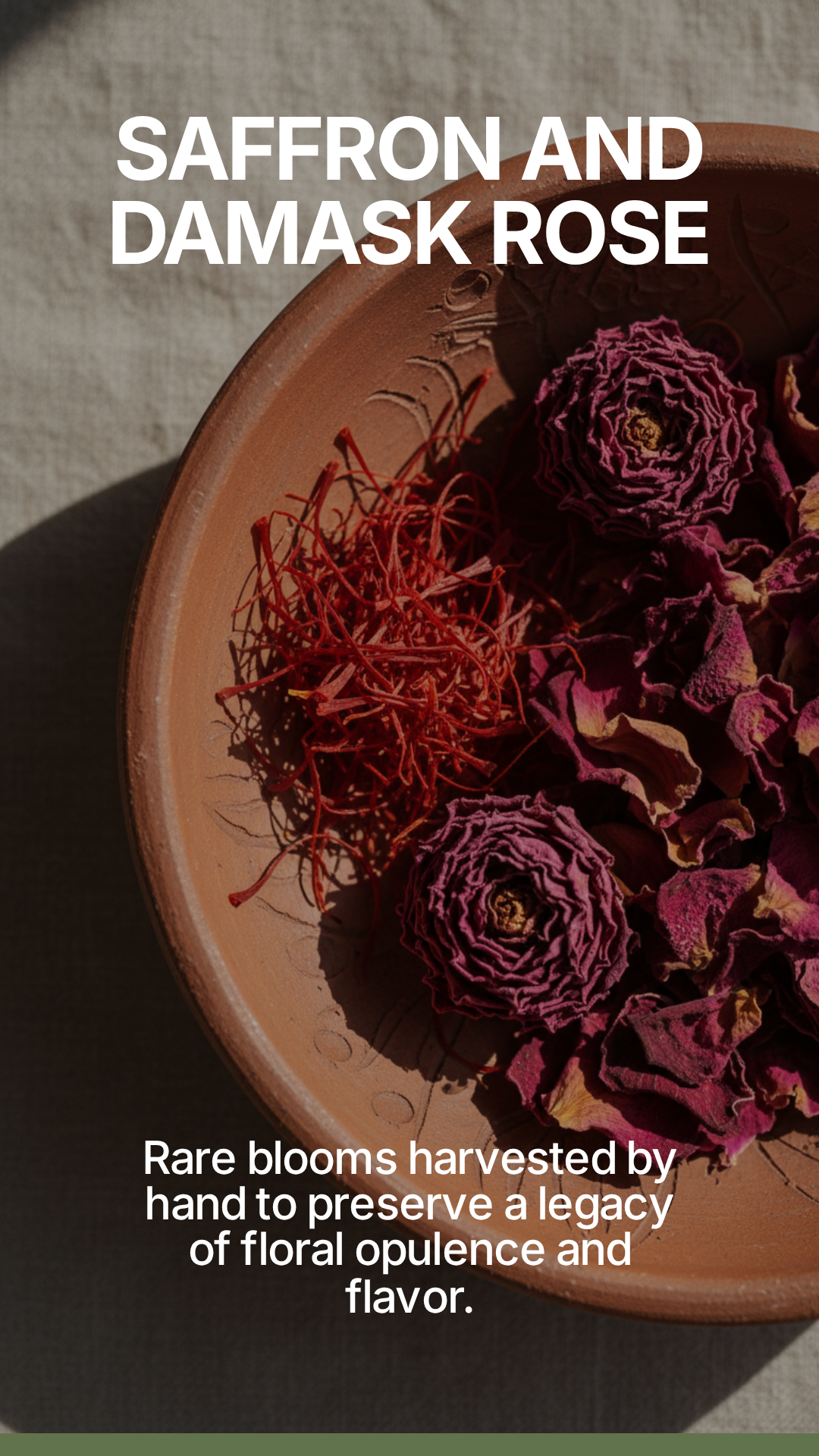
Saffron · Rose · Cardamom · Lime
Works with any phone made in the last decade. The chip has no battery and no signal of its own — it can only answer when tapped.
That wasn't a QR code pointing at a brochure. A chip in the lid carries this jar's identity — which farm, which harvest, which week it was sealed. Most spice brands can't tell you any of this. Not won't — can't. Their supply chain is a fog of brokers and warehouses. Ours is five farms with names, and the trip from harvest to your kitchen takes weeks, not years.
Every jar reports its own freshness. We can't fudge it, and neither can a warehouse. If a jar arrives reading below 95%, tap the lid, hit report, and we ship a replacement free. No return label, no interrogation. That's the whole policy — the data does the arguing.
One jar seasons roughly two dozen dishes — call it 75¢ a plate for spice that can prove where it's been.
And you buy the smart jar once: $12 refill pouches drop into the lid you own, re-pair to the new batch, and ship with a fraction of the packaging. Keep the lid. Keep the history. Replace only the flavor.
Li Mei's peppercorn terraces in Sichuan. Tanaka-san's 600-year-old tea rows in Uji. Reza's rose valleys in Kashan. Fatima's women-led co-op in the High Atlas. Winston's pimento groves in Saint Ann. We don't source from regions — we source from people, and we put their names where the marketing usually goes.
And some of you aren't exploring — you're going home. If Persian Sunrise or Sunday pimento chicken is the food of your own table, you already know grocery spice is a bad translation. Cook your food at full volume again.
Numbers most brands would airbrush, so we publish them. The harshest audience came last: professional kitchens, where spice is judged by the pan. Austin restaurants restock by the case, because a dated, traceable batch is something a chef can put their name behind.
The moment I opened the Silk Road blend, I understood what fresh spices were supposed to smell like. Everything in my cabinet suddenly seemed like dust.
of beta members renewed — month after month.
Net Promoter Score across the 200-member beta.
Run a kitchen? For restaurants →
A gifted jar demos itself: they tap, the farm answers, you get the credit.
Any amount, delivered by email in minutes. They choose the blends; you take the credit.
They end when they end — the recipient is never auto-billed, ever. Pick the delivery date; no prices in the box.
A December of small jars, each one tappable, each traceable to a named farm. It will sell out — the Ledger gets it first.
Every lid carries an NFC tag — the same technology as tap-to-pay. Hold your phone near the lid and your jar's own page opens: farm, grower, harvest date, and live freshness for that exact batch. No app, no account.
Flavor starts fading the day a spice is ground, and most grocery jars sit in supply chains for one to three years before purchase. In our own survey of 200 home cooks, 73% had expired spices in their drawer. Trevean jars are batch-dated and sealed within weeks of harvest.
Spice Sage is $39/month, $99/quarter, or $350/year at the founding annual price — the five signature blends, rotating limited releases, and recipe pairings unlocked by tapping the jar. Individual jars are $18, and $12 refill pouches fit the smart jar you already own.
Yes — gift cards, gift subscriptions (the recipient is never auto-billed), or the full five-blend collection in one box. The spice advent calendar lands this Q4, and the Spice Ledger list gets first claim.
Direct relationships with 25+ artisan growers across five global regions — Sichuan peppercorn, Uji green tea, Kashan saffron and rose, High Atlas herbs, Saint Ann allspice. Every grower is named on the jar.
One short email when a harvest lands. First claim on the advent calendar and the $350 founding annual price. And tell us the blend your table is missing — berbere, baharat, a jerk blend from a different parish. The sixth jar won't come from a trend report; it'll come from someone writing "you don't have my food yet."
Origin stories, not spam. Unsubscribe any time.